The Heart of Inclusion
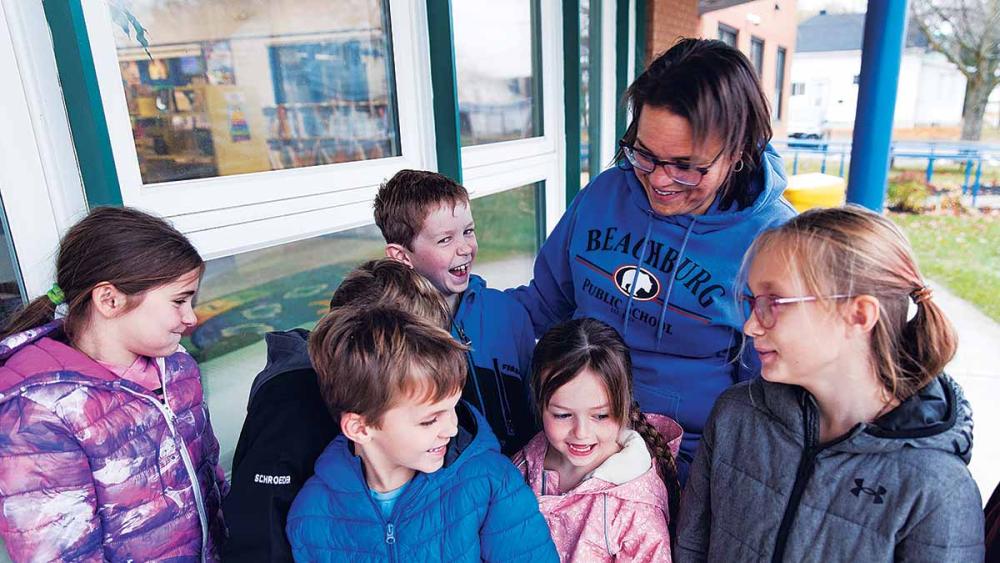
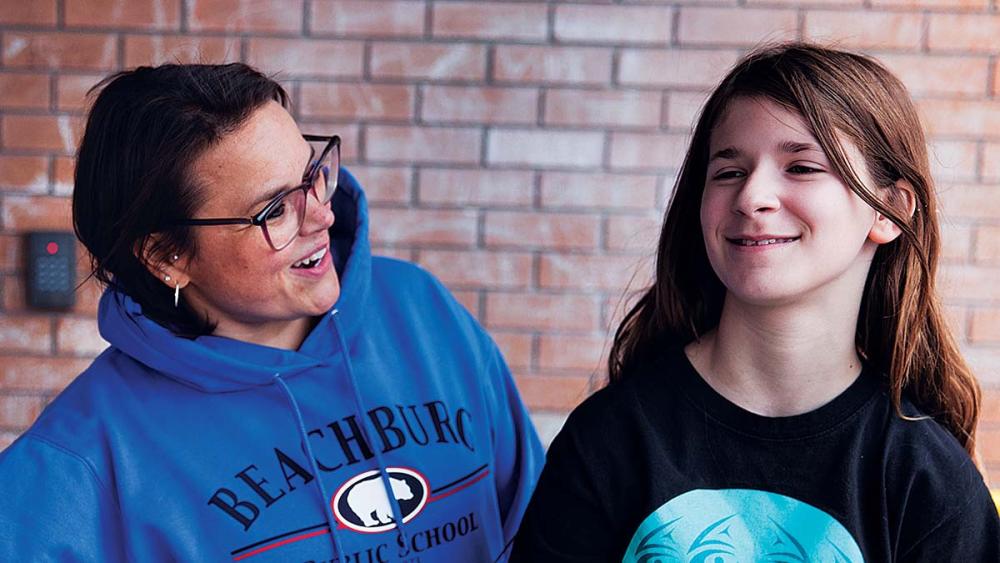
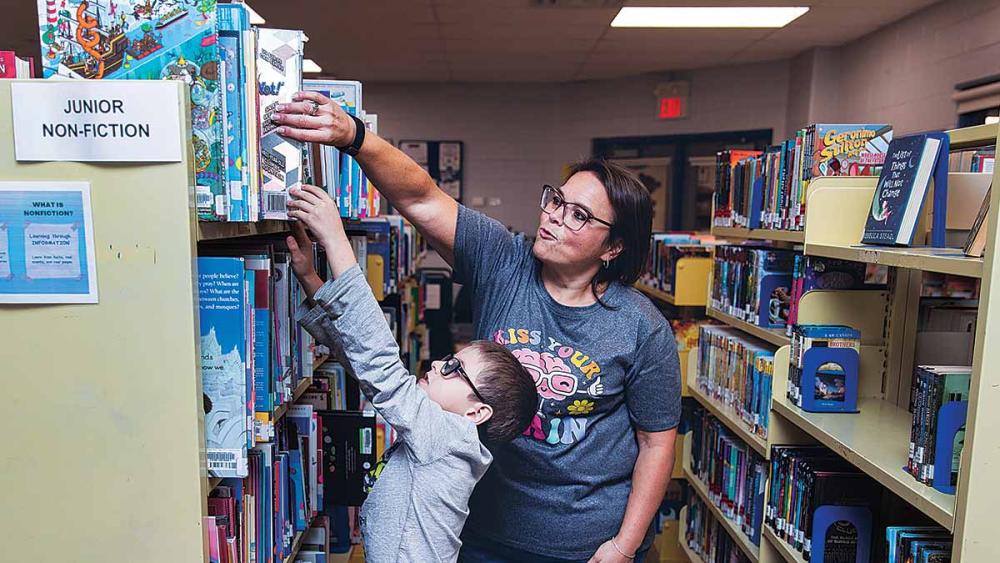
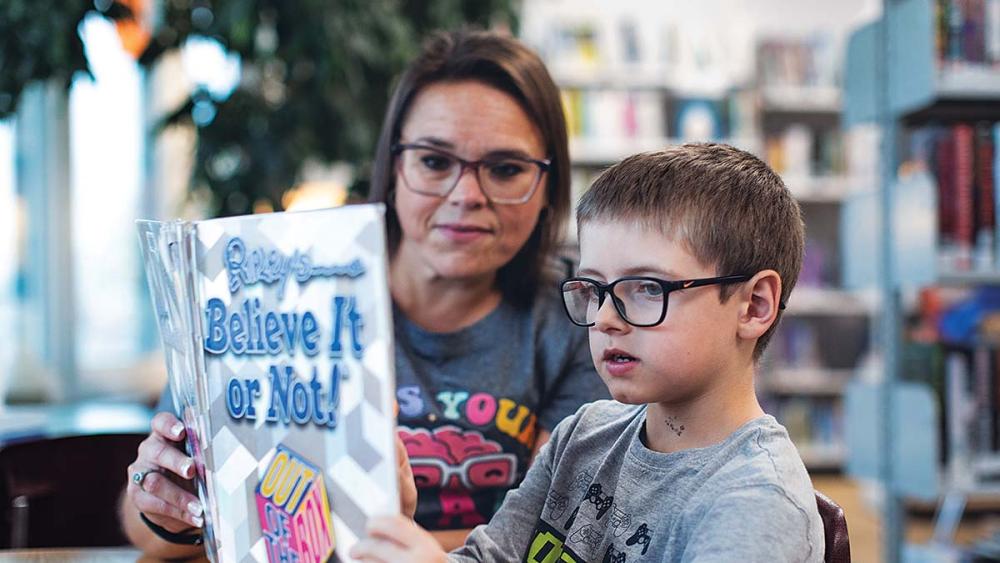
It was a snowy winter morning when Jo’s specialized transportation arrived at school. I greeted Jo at the sidewalk of Beachview Public School with a warm “Good morning, Jo, what do you know?” and started a wonderful day of supporting the learning and inclusion of my student with special education needs. Some other Grade 3 students joined us on our way to class, loving the time to catch up with “Ms. C” and say good morning to Jo.
This familiar routine was one that Jo and I had worked on since September. A gentle, predictable entry into the day was one of the things that set this student up for success, and I was an integral part of it.
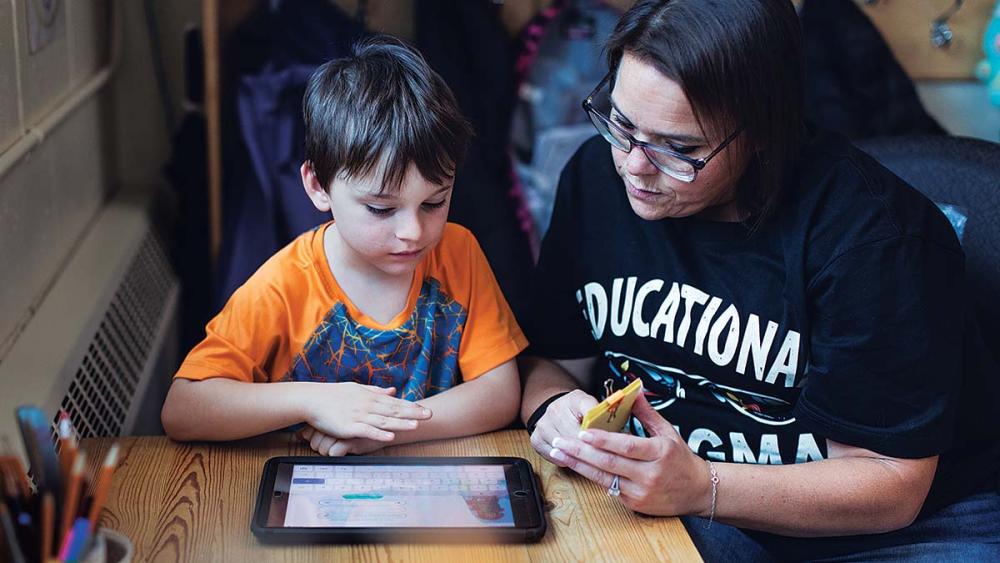
My morning serves as an example of what many education support personnel (ESP) across the province might experience as they work to make a difference in the lives of so many students every day. The supportive environment fostered by these hardworking staff is critical to ensuring all students receive the education and positive school experience to which they are entitled. ESPs bring critical experience and expertise that make it possible for students with behavioural, developmental, medical and learning needs to learn with their peers, participate in the school community and feel like they belong.
ETFO represents two ESP locals: Rainy River and Renfrew County. I started my ESP career in September of 2001, as a new graduate of Algonquin College’s developmental services worker program, ready and eager to support children with disabilities in the classroom. This past September marked my 25th year and I still love every day of what I do. Granted, some days aren’t amazing – some are hard and stressful. For the most part, however, I leave school knowing that I made a difference in children’s learning and lives.
Less Funding, More Challenges
When I started working as an ESP, I supported one student in a classroom all day. As the years went by, the number of students grew. I went from supporting one student to several in one class, or multiple children in multiple classrooms. The needs of children have also changed – from integrating them into the academic learning of a classroom to supporting behavioural needs and managing safety concerns. I’m no longer supporting just students with developmental disabilities; I’m supporting many that have behavioural challenges. Being an ESP, I know that you must roll with what is coming at you, pivot, and carry on with Plan B, C or even D.
While student-to-teacher ratios are mandated, student-to-ESP ratios are not. School boards determine how many ESPs support students in each school or classroom by how much funding is provided by the province. The allocation is based on factors such as student needs and medical, behavioural or safety concerns. Like so many educators, ESPs are struggling with the impacts of chronic, systemic underfunding by the provincial government. They are supporting more students, have increased workloads and are forced to spread the support students receive ever thinner.
In a 2025 University of Ottawa research paper entitled Running on Fumes: Violence, Austerity, and Institutional Neglect in Ontario Schools, an educational assistant shared what feels more and more like a universal experience: “My job as an EA is not at all what it was when I started. EAs used to assist with learning… We became an adult students could trust, a friendly advocate. An adult who could employ strategies to help them regulate before they became frustrated or acted out in an aggressive manner. In the first 20 years, I was never attacked or struck; whereas today, it is a common occurrence.”
Violence in the Classroom
With decreases in funding for public education, we have seen increases in violent incidents. Violence is a communication of student needs going unmet. As increasing numbers of students are waiting for resources, classroom supports and assessments, we are seeing increasing incidents of violence. ESPs are trained in de-escalation and physical intervention strategies to help prevent and diffuse the complex issues we face every day. Some ESPs go to work in full-body Kevlar. While personal protective equipment (PPE) helps protect ESPs, it often isn’t enough. Arm guards can stop skin from being punctured, gloves and gowns can protect against bodily fluids, and face shields might prevent scratches and grabbing of the face, but PPE cannot prevent concussions, broken bones, or the toll of violent incidents on the mental health of educators.
The reality is that we need more funding and support to help adequately staff schools to meet the needs of students and prevent the growing number of injuries, trauma and burn out caused by the increase of violence within Ontario classrooms.
Integration Isn't Best for Everyone
ETFO’s position paper Promises Unfulfilled: Addressing the Special Education Crisis in Ontario is a call to action to address the shortcomings of a system that is failing children with disabilities in Ontario. One of the ways the system is failing students is by not providing those who need it with the direct support of an ESP.
With the move to a primary model in which students with special education needs are being integrated into the regular classroom setting, ESPs have had to adapt to do everything possible to ensure integration is successful. However, we know that in many cases, students with special education needs are being integrated without the supports in place for a successful integration. This may include limited ESP support, lack of access to needed technology and or even having their school day modified due to lack of support.
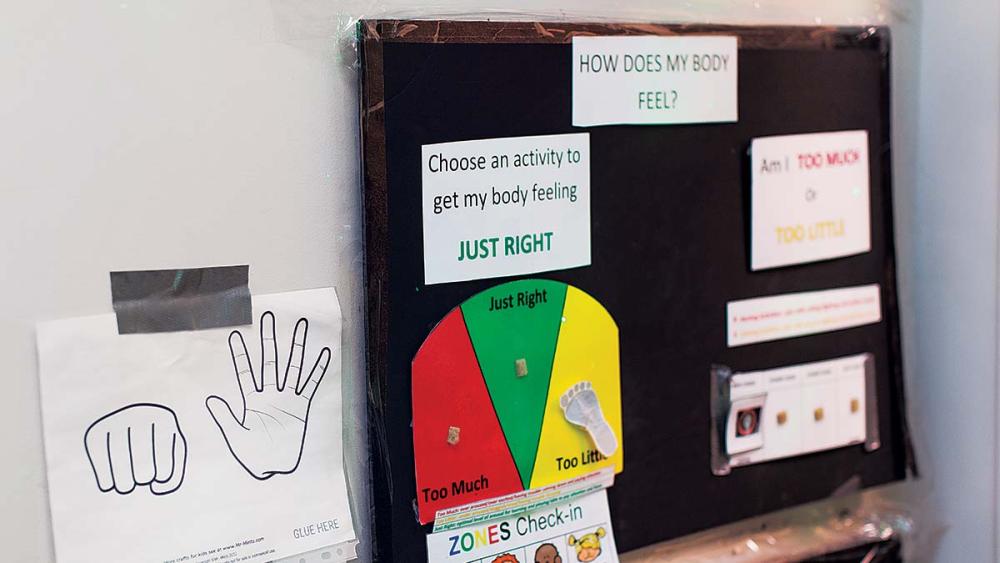
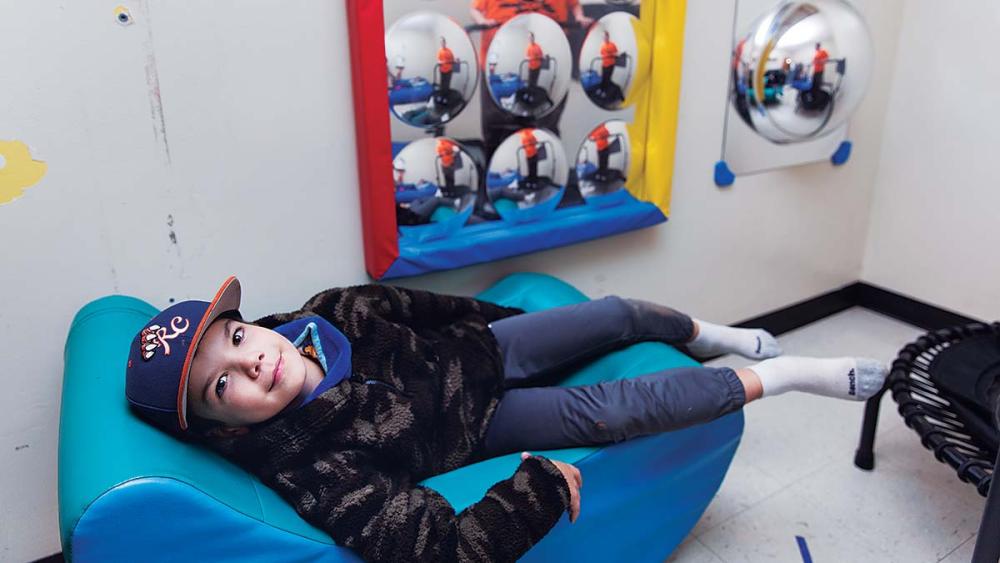
For some students, integrating into a regular classroom means a significant increase in class size and accompanying noise, stimulation and sensory input. Without supports, this environment can be overwhelming and learning and social-emotional well-being can be negatively affected. It can also lead to dysregulated behaviour, which may mean that everyone’s learning is disrupted, and the dignity of the student isn’t preserved.
While integration may work for many students with special education needs, some do much better in small classes due to the reduced stimuli and specialized support they receive. One size doesn’t fit all, and this is particularly true when supporting students with complex needs. Despite this, school boards are closing much-needed special education classrooms due to funding shortfalls.
The Importance of Specialized Support
Whether in a regular or special education classroom, every child has the right to a public education. Without adequate funding to ensure sufficient support, however, many students struggle to attend school. The reality in Ontario is that chronic underfunding has led to too few ESPs and other staff to meet the needs of students. According to ETFO’s Promises Unfulfilled report, the current funding model equates to one ESP for every 10 special education students. This allows for one half-day of support per student per week, which simply isn’t enough.
In fact, we know that many students with special needs are being forced into modified school days due to the lack of funding for supports. According to People for Education’s 2024 annual report on access to special education, the number of principals who asked parents if their child with special needs could stay home instead of attending school because of insufficient supports has steadily increased. This is unacceptable. A fully funded system should provide sufficient support for all students for the entire school day, and not be so stretched that parents and guardians need to make arrangements to keep their child at home when they ought to be at school. This instability can have longlasting impacts on the child and can create economic and social hardship for the family that supports them.
With the Ford government forming yet another majority in 2025, there is a real danger that more students with complex needs will fall through the cracks of an underfunded system. Parents of students with special needs are all too aware of the impact of funding cuts on special education, but for things to change there needs to be broader awareness of what is happening in today’s classrooms and the important role ESPs play in ensuring equitable access to school. Parents need to start asking questions about when and why classrooms are evacuated, how much support is really available to address student needs and how learning is happening despite the challenges.
Loving What We Do, Despite the Challenge
Our job can be daunting, but ESPs, like all educators, take great pride in our work. Ultimately, we do our very best to create a supportive climate for learning. We try to make each student feel seen and cared for and strive to give them a sense of belonging in their classrooms.
While the work is rewarding, the compensation is not. ESPs are among the lowest-paid education workers and many ESPs have a second – and sometimes third – job to make ends meet. Funding increases to support hiring and better compensating ESPs are fundamental for keeping current ESPs in the jobs and recruiting others to do this important work.
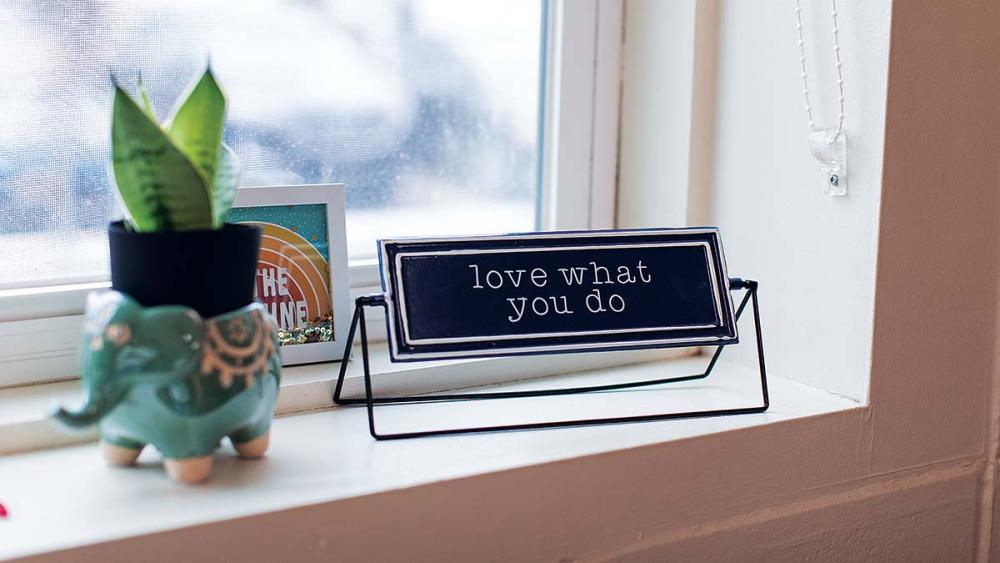
Walking down the street recently I noticed a sign in a store display that read “Do what you love, love what you do,” and I knew I had to have it. This sentiment captures the essence of why I, and my ESP colleagues, do what we do. The sign is now proudly displayed on the windowsill in my classroom for all to see. Despite the challenges, at the end of the day, we have the privilege of playing an important role in ensuring that all students can learn and thrive at school. This is why I love what I do.
It is now the end of the day. Jo has packed his backpack and is ready to board his specialized transportation to head home. He and I walk down the hall, wishing everyone a good night with the biggest smiles on our faces. Once Jo is safely on his way, I return home with my heart full because I know Jo had a good day, in large part because of the support I was able to give him. That access to support is what I wish for all students who need it. That’s why advocating for investments in our public schools is so important.
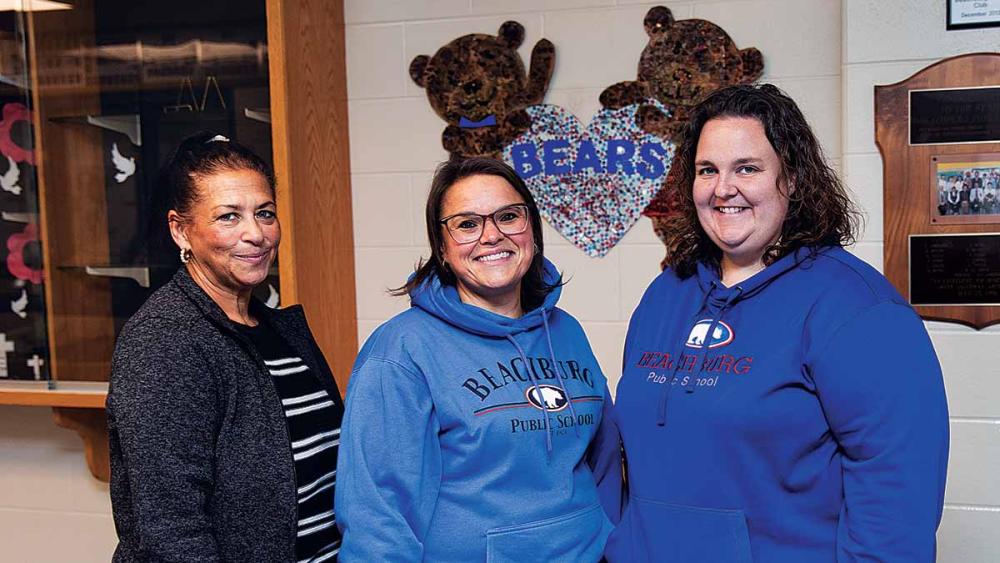
Nancy Campbell is a member of the Renfrew County ESP local.