
Teachers as Mentors: Encouraging Self-Worth Through Positive Relationships
By the end of September my frustration with one of my students had risen to the point that I no longer knew what to do or how to get through to her.
By the end of September my frustration with one of my students had risen to the point that I no longer knew what to do or how to get through to her.
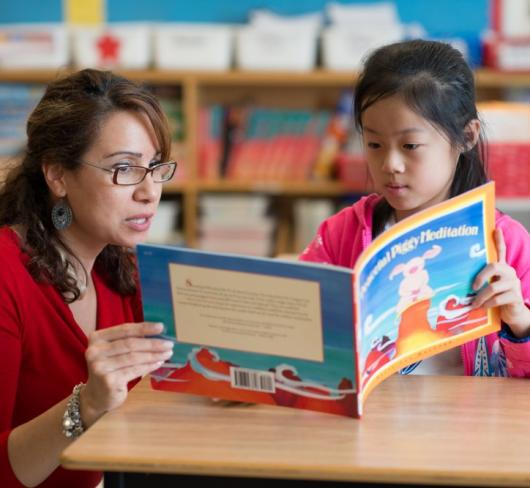
Every day, my Grade 2 students come into the classroom with smiles on their faces and a question on their minds: “Whose bucket will I fill today?” The children join me on the carpet as I take the attendance.
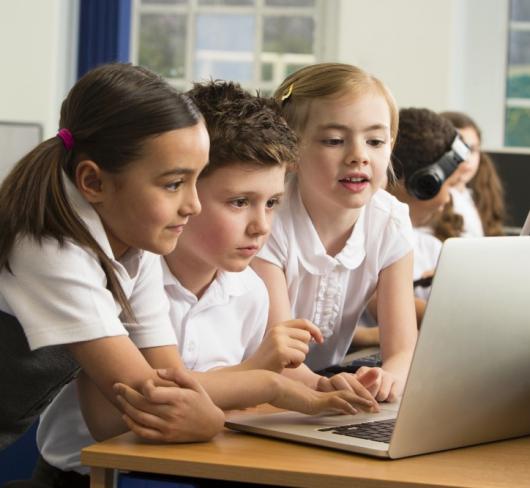
There are many ways in which electronic technology may be used in classrooms and school environments to enhance and promote student learning. Some technology is immediately familiar to students, and often includes instant audio and/or video recording features and immediate ability to share and post what has been recorded.

Does the word gamification make you cringe? That’s okay. I get it. It sounds like an annoying made-up word. Like selfie or asap.
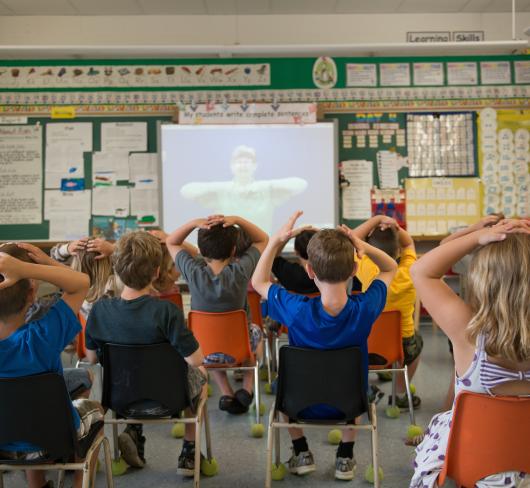
“Who are we videoconferencing with today, Mrs. Cassell?” These are the first words I hear as my students enter the room. I have been a full-time elementary teacher with the Avon Maitland District School Board for the past nine years, teaching students in the primary and intermediate grades.

To think that what began as a sign of my “happy place” and a reminder of the summer that was and of who I am now serves to stimulate curiosity among my primary students. It’s a sign that learning in this classroom will be given a fun and meaningful context.
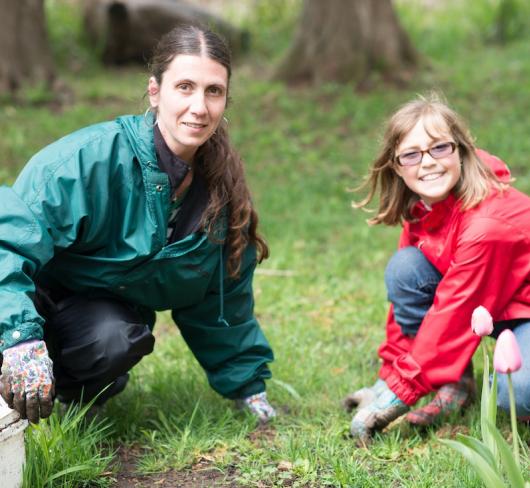
Go for Green is a bi-annual event at Millgrove School that proves a small school can accomplish big things.
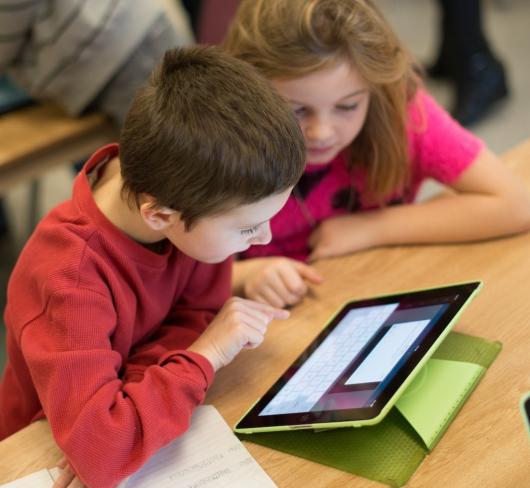
“Can I tweet this?” is a question that I routinely hear in my grade 2/3 classroom at Eastwood Public School in Windsor, Ontario. My students interact online with over 160 other classrooms around the world through Twitter.
Working with electrical equipment is wired into an educator’s day. We handle SMART Boards, computers, audio-visual carts, and extension cords. If this wiring and equipment is damaged, faulty, or misused, it can become an electrical hazard.

Teachers and schools have a key role to play in our planet’s future. Environmental education is a key component for creating a generation of students who understand that each of us can powerfully affect the fate of the natural world, environmental systems and their sustainability.