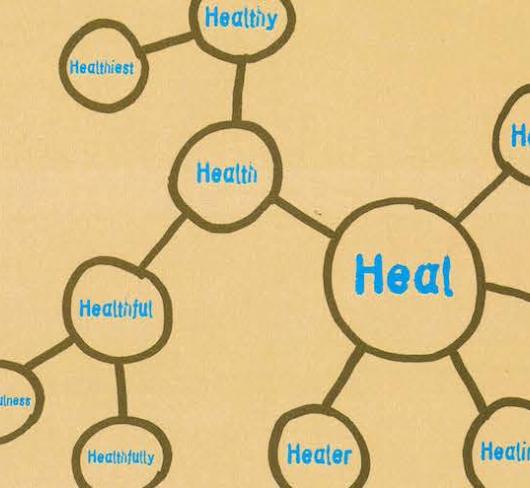
Spelling: Connecting the Pieces
How can teachers provide the necessary support for all students so that they can experience success as spellers? The following suggestions provide a framework that you can adapt to your grade and classroom.
How can teachers provide the necessary support for all students so that they can experience success as spellers? The following suggestions provide a framework that you can adapt to your grade and classroom.
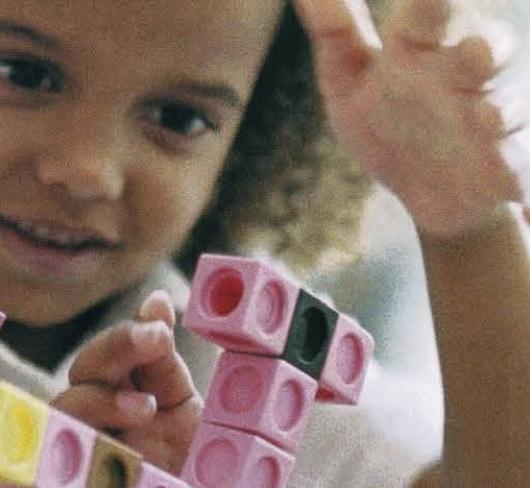
Teaching science and technology is an outstanding way to provide experiences that are valid, testable and repeatable.

Critical thinking is a disciplined process that requires the learner to conceptualize, apply, analyze, synthesize and evaluate information gathered by observation, experience, reflection, reasoning or communication.
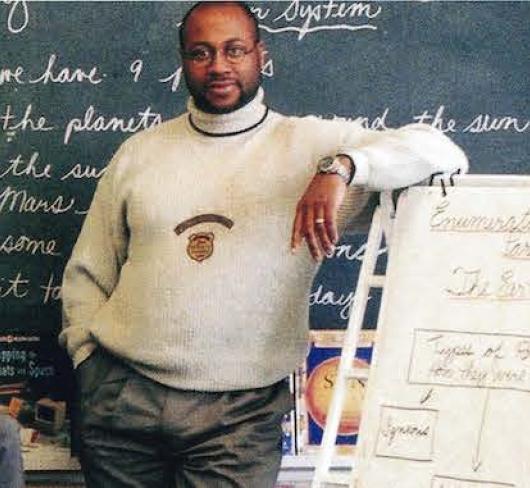
The fact is, fewer men are becoming elementary teachers. Eighteen male teachers give their insight.
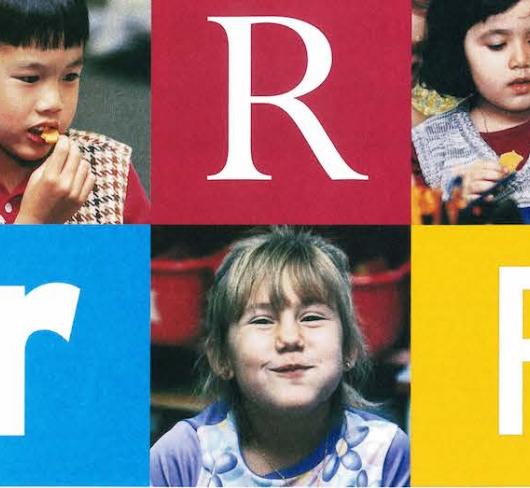
No one is in a better position to see the benefits of school nutrition programs than teachers.
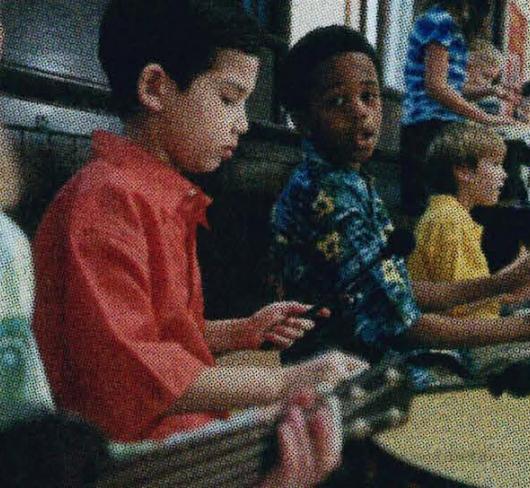
Creative thinking is afundamental skill necessary for our survival on this planet. The performing folk arts in education can nurture this essential skill. At this point in time there has never been a more urgent need for an approach to education that prepares children to face the challenges of the twenty-first century.

Four young faces, side by side, stare at the computer monitor. Occasionally, they point at the screen, jot notes, discuss new information and debate. This is the image of involved, interested and integrated learning for which we all strive.
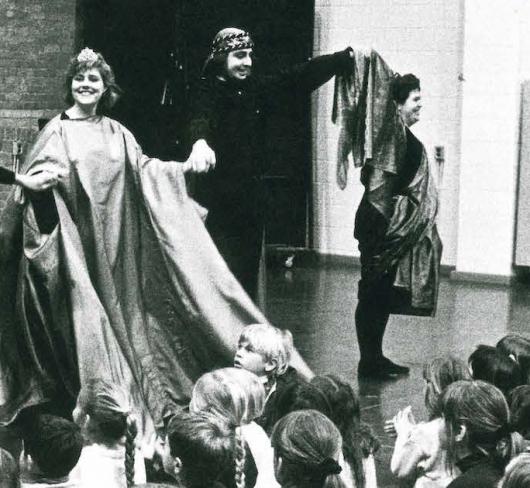
For over 20 years, David S. Craig and Robert Morgan have been creating plays for young audiences, wowing students, parents and critics alike with their engaging work.
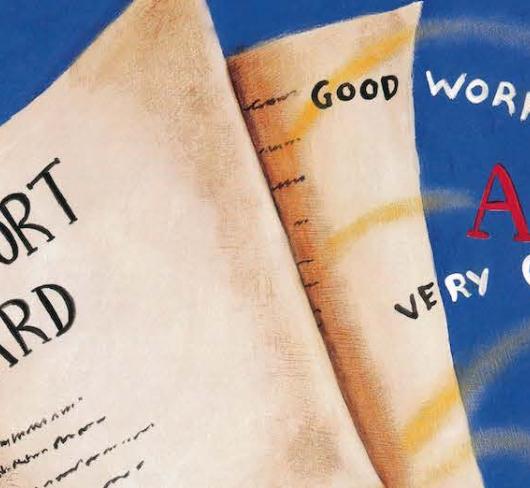
In our increasingly technological world, it is essential that students develop their skills in mathematics. My action research project began with a review of the Summary of Attitudes of Grade 3 Students in our school from the 1998 Grade 3 EQAO Provincial Assessment.
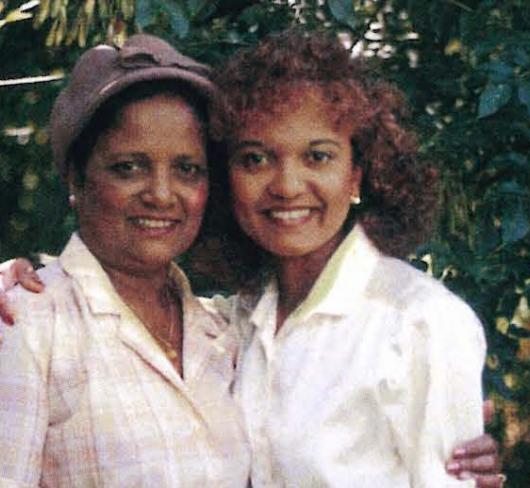
Educators are powerful, important people. You do make a difference to your students. All children pass through the hands of educators. What educators do and say (and how they do and say it) becomes the foundation on which many children will build their lives.1