The Auditors in the Stacks
Last spring, a group of parents thoughtfully applied for a grant for our school library. Located in Toronto, our school serves over 700 students and families from a diverse range of cultural and familial backgrounds. When we received significant funds through the grant, improving our reading selections gained a sense of urgency.
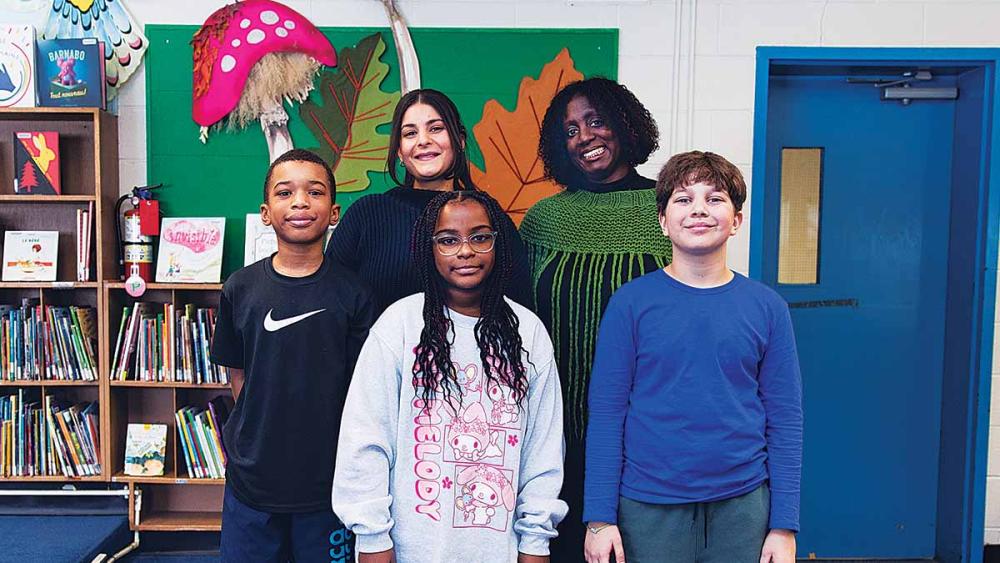
We realized that we needed to assess our school library collection first so we would know what to purchase once the money came. Leanna’s Grade 3-4 French Immersion students had been exploring how everyone deserves to see themselves and others reflected in the books available to them.
Education scholar Rudine Sims Bishop describes this concept as books serving as “windows, mirrors and sliding glass doors” – windows into other narratives and experiences, mirrors reflecting students’ own identities and doors inviting them to step into new worlds. We had the opportunity to ensure our school library learning commons truly provided all three and a chance to centre the voices of students by having them carry out the audit.
A diversity audit is a systematic review and analysis that evaluates how well a classroom or library learning commons collection represents and serves a student body, staff and community. This process might examine multiple aspects of representation in books and other materials, including the social identity of the authors or characters, or even which subjects are featured in the text. Social identity can include race, class, ethnicity, gender identity, gender expression, ability, religion, among others.
Karen, our school’s teacher-librarian, collaborated with the class to review a few diversity audits we found online. We were inspired by Seed the Way’s classroom library equity audit, which we adapted and translated into French to render the analysis accessible and motivating for the Grade 3-4 learners. We showed it to the students and they shared some input, which helped us simplify language for ease of access during the audit.
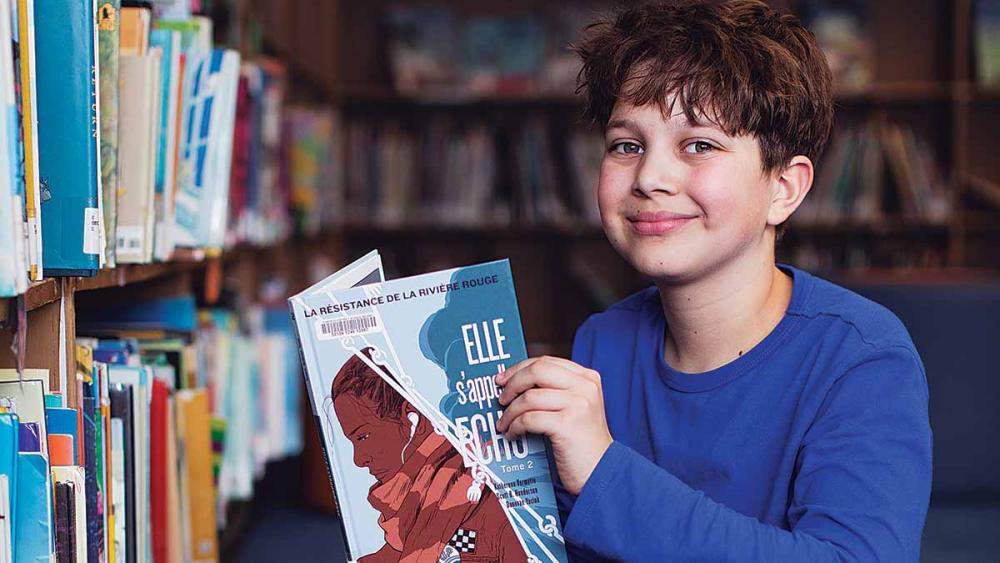
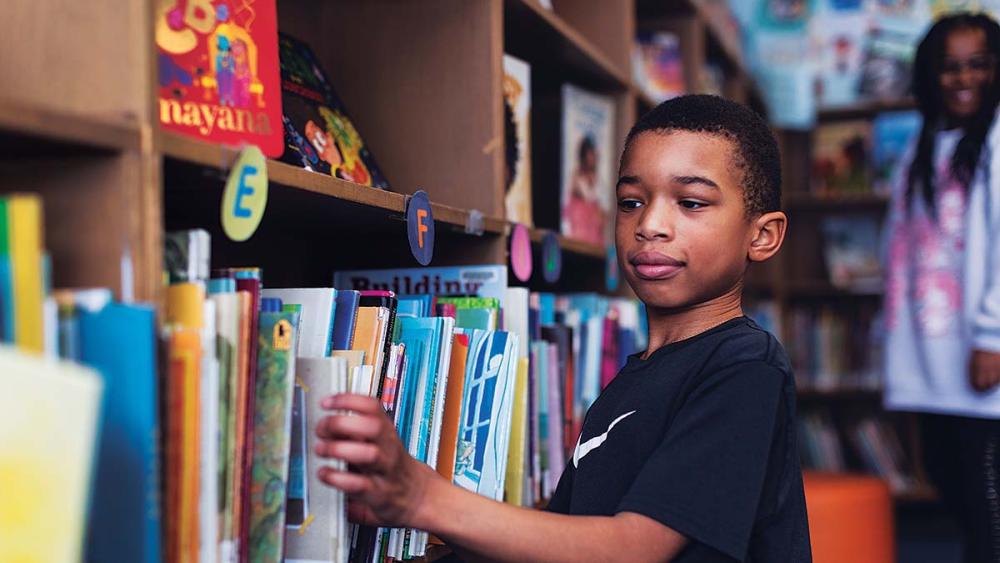
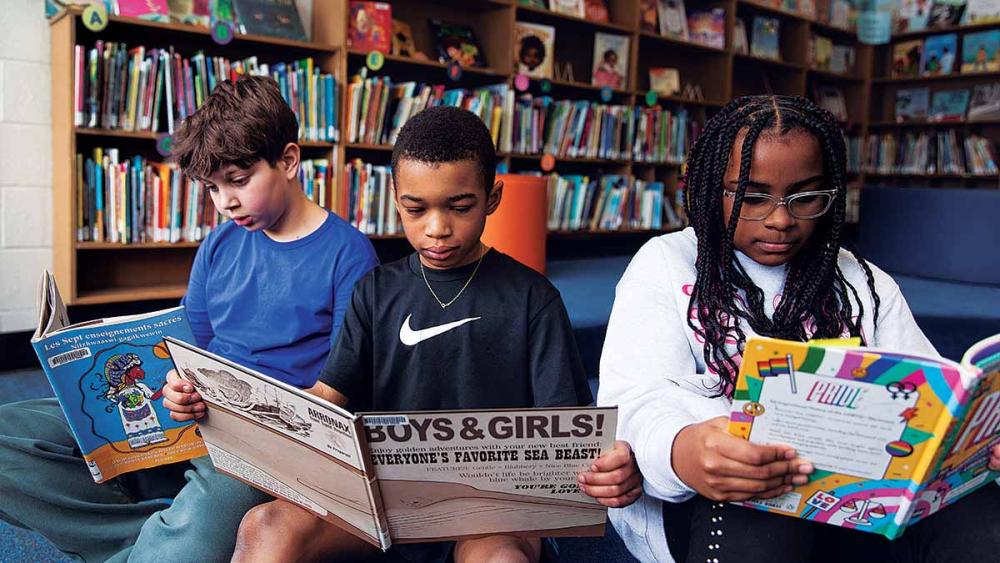
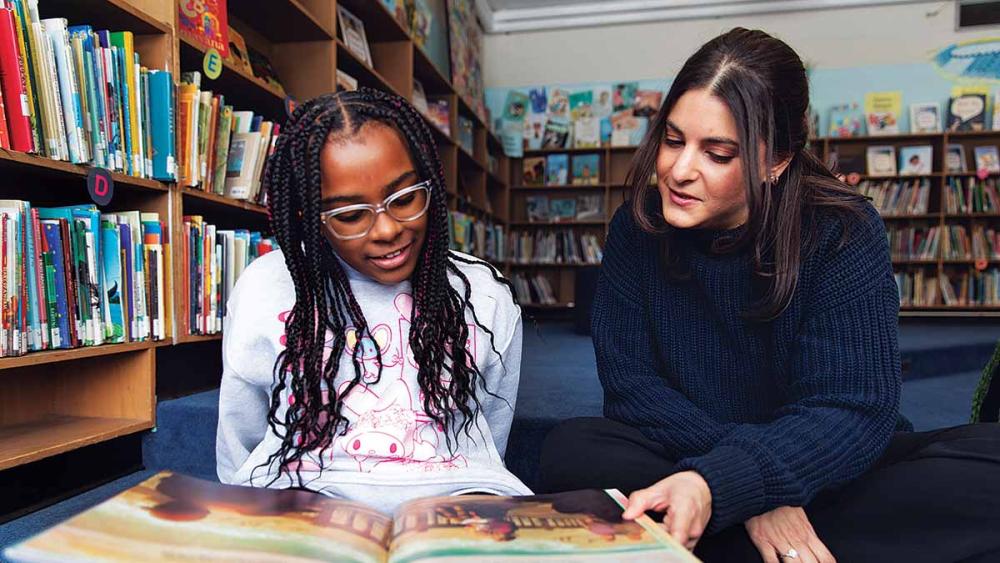
We examined a few books as a whole group, checking the elements of our audit to make sure we understood the criteria before taking over the shelves. The library learning commons became a blur of children, open books and clipboards. The space filled with rich discussion and analysis.
While students audited our school picture book collection, we teachers moved around and listened to their observations and questions and made notes of what to discuss as a whole group later.
Students’ discussions were rich, critical and insightful. Our students observed a huge gap in representation of racialized people.
Phoenix: “There aren’t any Black people in this book at ALL. Oh, wait – way in the back on this one single page there is one Black person!”
Liat: “Should that even count on the audit? I don’t think so.”
Phoenix: “No, you’re right, it shouldn’t count. They just put him there in the back, he’s not a character in the story. What was the point of them doing that?"
Liat: “Maybe just so they could say they had representation of Black people. But it’s not enough.”
They also noticed the way characters were represented: “This book has a Black main character. Ohhhh, but look, the rest of the characters here are white, so that’s not realistic,” said Catherine. “Also, the one Black character looks like she’s being bullied. That’s not combating stereotypes.”
They realized how many books featured animals rather than people, and became critical of this choice: “When authors write books and choose to only have animal characters, I think they’re doing that so they don’t have to do ‘this is a boy, that’s a girl, they’re Black,’ and then its less hard to write the book because they don’t have to spend the time thinking about the characters,” observed Theo.
Students also found a lot of books that perpetuated stereotypes – “All the boys look the same, and they’re all doing the same sporty activities. Not all boys like to do sports” – as well as many that students recognized as affirming and celebrating identities: “Look, Mme! It’s a Black girl character in a hijab playing basketball,” said Xavier. “She’s going against stereotypes about girls not being good at sports. She’s showing her religion, too!”
After more than four hours across three weeks, we’d assessed 452 picture books! Here’s what we found:
196 books with exclusively white characters (43%)
137 books with diversity in characters’ race (30%)
57 books with Black characters (13%)
33 books with other languages shown/spoken (7%)
28 books with characters who are newcomers (6%)
14 books with characters with disabilities (3%)
14 books with 2SLGBTQ+ characters (3%)
35 books with characters showing their religion/traditions (8%)
61 books with multigenerational families (13%)
50 books with mixed/blended/divorced/ adoptive families (11%)
We reflected on these findings through whole-group discussions and in an ongoing manner over the rest of the year. Students reflected on their findings while meeting curriculum expectations for writing, speaking, data management and financial literacy. They worked on descriptive paragraphs, oral reflections, infographics and proposals for new book purchases.
Engaging in an equity audit of the school library honed our students’ critical thinking skills, inviting them to analyze systems of inequality and power in the world around us. Developing this awareness empowered our students to identify bias, stereotypes and injustice in everyday situations, from the books they read to the media they consume.
When students cultivate critical consciousness, they become active participants in creating a more equitable society rather than passive consumers of the status quo. Our students’ insightful observations demonstrated that young learners are more than capable of engaging in meaningful discussions around critical consciousness and social justice, developing an understanding of fairness and representation, and critically examining their literary landscape. When we trust students with the agency to audit their own library spaces, we move equity forward by mobilizing their critical consciousness to strengthen our classrooms as safe, welcoming spaces for all.
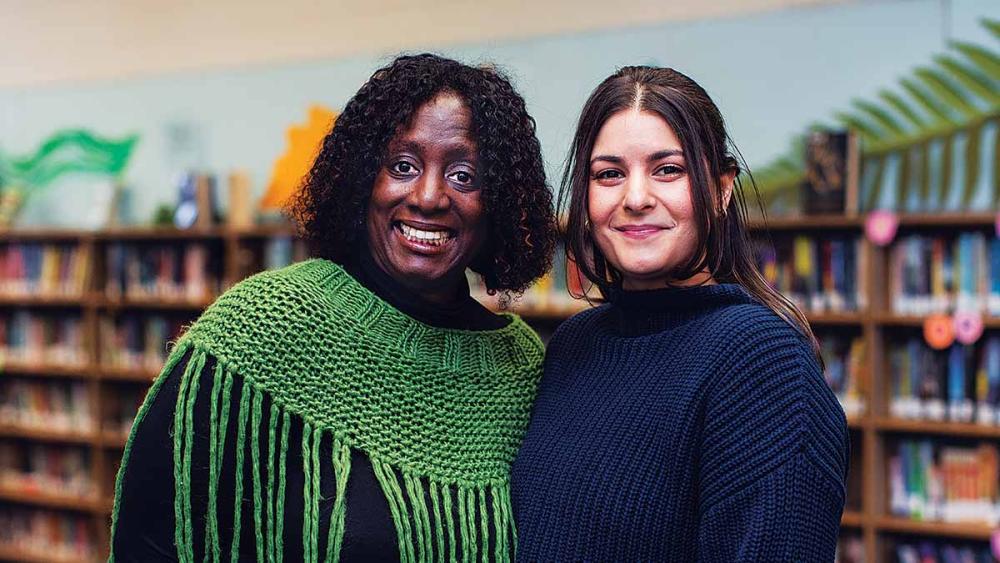
Karen Devonish-Mazzota and Leanna Bornstein are members of the Elementary Teachers of Toronto Local.