Amplifying Black Women's Voices
Black women have long been at the forefront of social, political and community change, yet our leadership is often undervalued, unappreciated and overlooked. From local communities to national decision-making tables, Black women bring unique perspectives, resilience and innovative problem-solving skills that help drive progress. Our leadership matters at every level, from classrooms and school boards to unions, city halls and legislatures. We advocate for policies that reflect equity, diversity and justice, and often champion the needs of other marginalized communities as part of that effort.
Ensuring that leadership opportunities exist and moving Black women through leadership pathways within ETFO, as well as broader community and political organizations, is an essential step toward representation – and a critical lever for systemic change. Intentionally creating access, mentorship and sponsorship for Black women disrupts cycles of marginalization and invisibility, and brings essential perspectives, lived experiences and transformative leadership styles to decision-making spaces. This work is critical to dismantling anti- Black racism, advancing equity and building institutions that truly reflect and serve the diversity of their members and the public.
As a teacher in the Toronto District School Board (TDSB) who has served on many Elementary Teachers of Toronto (ETT) and ETFO standing committees, attended many annual meetings and worked for four cabinet ministers in five ministries, I personally know the importance of change being made with input from diverse communities and perspectives. As such, my mission is to ensure that other women, in particular Black women, know their worth, know why it is important for them to be in leadership positions, and understand the assets they bring to leadership tables.
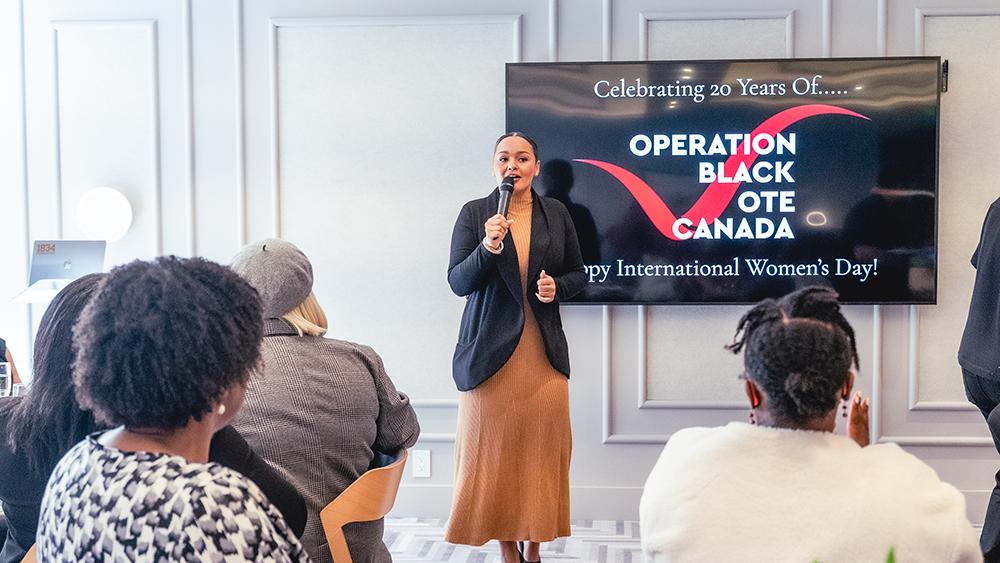
In 2016, I became the chair of Operation Black Vote Canada (OBVC), a non-profit, multi-partisan organization established in 2004 to help more Black Canadians get elected, connected and appointed to government. In the years since its inception, OBVC has been at the forefront of promoting electoral education, encouraging civic engagement and advancing voter participation in Black communities. Voting matters, representation counts and a seat at the table is essential for our lived experiences to be recognized, valued and represented.
Though progress has been made in recent generations, Black people, women in particular, remain underrepresented in political leadership. In 2025, women held 30.3 per cent (104 of 353) of seats in Parliament, which ranked Canada 71st out of 182 countries for women’s representation. Black women’s representation in elected office accounted for just four of those 104 seats. Trailblazers such as Rosemary Brown, the first Black woman elected to a provincial legislature in 1972; Virnetta Anderson, the first Black woman elected municipally in Calgary from 1974 to 1977; and Jean Augustine, the first Black woman elected federally in 1993, paved pathways that continue to be expanded. Their journeys demonstrate that leadership in elected office often begins with deep roots in community advocacy and organizing.
In 2022, OBVC started an initiative called A Seat at the Table. The program trains and empowers women with the tools to run or volunteer in successful political campaigns. We had 12 participants in the program and saw seven of them run in the 2022 municipal election. Today, five sit as elected officials in Toronto and the GTA, including TDSB trustees Debbie King and Alexis Dawson, and Toronto city councillor Amber Morley, who is also the first Black woman deputy mayor. The program provided a safe environment and resources for learning, and connected them to a network of women looking to make an impact.
While being elected is essential for inclusion and representation of lived experience in public policy, there are many other ways to lead and influence agendas, shape narratives and mobilize people toward shared goals. These avenues are often occupied by women and seen as less prestigious than holding elected titles, but they are just as significant, if not more so, to the communities they serve because they bring grassroots issues to the forefront. True power comes from consistent engagement, leadership development and building influence in all decision-making spaces.
Even before our forced displacement, Black women were always leaders within the village, dedicated to putting the needs of everyone else before ourselves. We were knowledge keepers, healers, builders of families and stewards of community life. In the generations since then, and throughout modern history, we have been the first to speak up, speak out and put our lives on the line for justice. Whether in quiet acts of resistance or bold public movements, our leadership has shaped the moral direction of societies that have too often failed to fully recognize our contributions.
Today, the imperative to raise up leaders among Black women is one that will sustain us into the future, a strategy no longer rooted in survival, but grounded in intentional growth, vision and legacy. The urgency of the present calls for a deeper commitment to raising the voices and creating leadership pathways for Black women will ensure that we are building structures that will endure long after our individual efforts have come and gone. We must think not only about the battles we are fighting today, but about the foundations we are laying for tomorrow.
Legacy is established when each generation of community does what it can to build on the foundations of the past, using the tools of the present to advance the aims of the future. It is not merely the inheritance of struggle, but the inheritance of strength, ingenuity and possibility. It is the deliberate act of preparing pathways so that those who come after us can walk further, dream bigger and live better.
If Black women are to continue in the proud tradition of leadership that has been a hallmark of our existence, we must intentionally seek and carve out spaces for that leadership to take root and grow. We need activists who mobilize communities, civil rights attorneys who challenge injustice in the courts, educators who shape the minds of future generations, organizers who strengthen local networks, union leaders who advocate for our workers and volunteers whose quiet dedication sustains collective progress.
Historically, unions excluded women and racialized people from leadership roles despite their strong membership presence. Yet Black women have persisted and broken those barriers, turning unions into critical spaces where they have exercised leadership and influence. Leaders such as Karen Brown, former president of ETFO; Yolanda McClean, president of CUPE Ontario; Jan Simpson, national president of the Canadian Union of Postal Workers; and Glacier Effs-Samuel, recorder of UFCW Canada Local 1006A and vice-president of UFCW Canada’s National Council have advocated for better working conditions and broader social and economic justice. Union leadership demonstrates how advocacy for workers’ rights can translate into societal change.
As educators, the union is a good place to take up space, lead and have your voice heard. For example, members can join local or provincial standing committees. I have served on ETFO’s Political Action Committee and ETT’s professional development, new teacher and status of women committees. On committees, you can help shape direction and educate colleagues across the province and in your local.
ETFO also has many targeted leadership workshops, some of which are geared towards women, and Black women in particular. In addition, you can attend ETFO’s Annual Meeting to help shape the decisions and policies of our union and the public education system. And if you are ready, run for election in your local or at the provincial level, where you can advocate for the work environment and education system that you want to see.
Black women have also shaped national conversations through movements like Black Lives Matter Canada and organizations like the Ontario Coalition of Agencies Serving Immigrants, which highlight the importance of grassroots activism in shaping policy, influencing public discourse and advancing equity. Being involved in your community by organizing and volunteering will allow you to use your leadership to contribute meaningfully in various ways to the benefit of your community.
A 2025 study conducted by OBVC titled Black on the Ballot underscored the importance of leadership-building within the community. According to the research, half the women respondents (51 per cent) reported that they had not seriously considered running until someone suggested it, a scenario that applied to just 28 per cent of men. This reality highlights the need to support, encourage and motivate even more women to seek leadership positions.
In our own ways – no matter the scope, the field or the scale – Black women can be in the business of building legacy by fighting for justice, advocating for change, pressing for access and demanding our community’s fair share. Leadership does not always announce itself with titles or accolades; often it is found in the daily commitment to show up, to serve and to believe in the possibility of change and transformation.
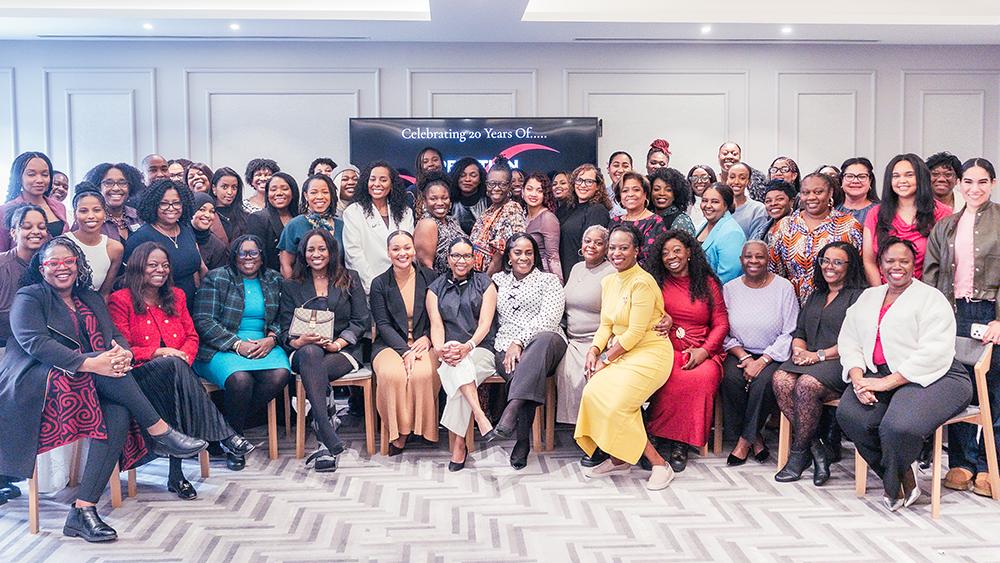
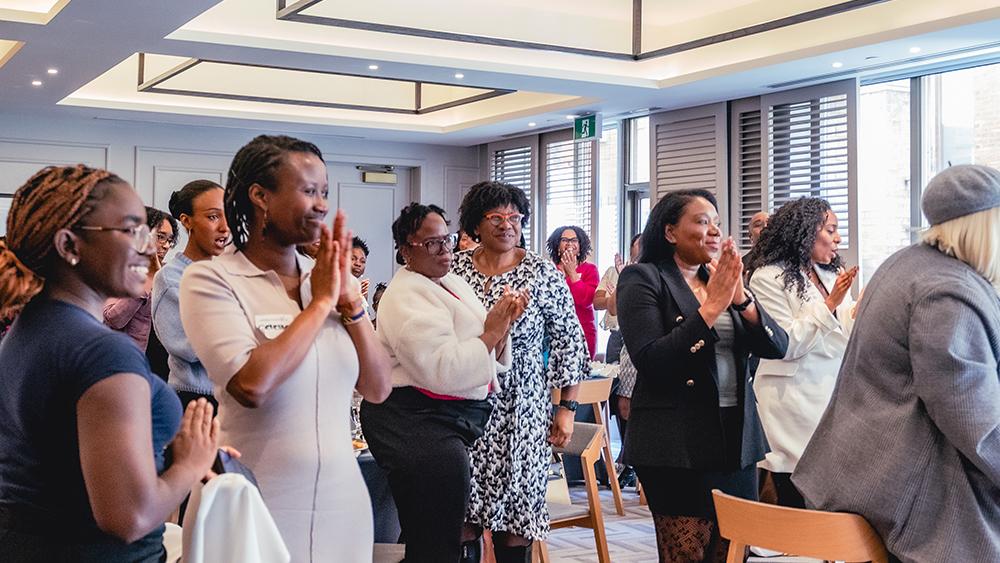
At a recent International Women’s Day brunch, speaker Celina Caesar-Chavannes reminded us: “In a world that tells you to stay in the background, don’t rock the boat and keep it ‘professional,’ show them who you are.” This call reflects the courage required for Black women to claim space and lead authentically.
We know that the leadership journey cannot be walked alone. We need coconspirators who are ready to disrupt systemic barriers and assist in shattering glass ceilings or glass cliffs. What we do not need are “allies” who mean well, share positive sentiments and stand on the sidelines as Black women fight the fight. The days of being “with us in spirit” must come to an end. We need partners who will be with us in action. We need partners to ensure that there are extra seats at all decision-making tables. And we need partners that are not only supporters, but champions in rooms that we are not in. That means having the courage to call out misogynoir every time.
As Black women, let’s build, lead and grow institutions to reflect our collective values and cultivate opportunities that can foster our collective growth. Whether in small circles or in large groups, new organizations or long-standing associations, what we do together will contribute to the advancement of our communities.
So, let’s serve with intention, step out of our comfort zones and commit to putting our hands and minds to work. In answering this call, we not only sustain legacy, we cause it to blossom and leave seeds behind for tomorrow’s growth. And in that blossoming, we shape our future, honour our past and improve the lives we lead today.
The time is now. The work is ours. And our legacy is waiting to be written.
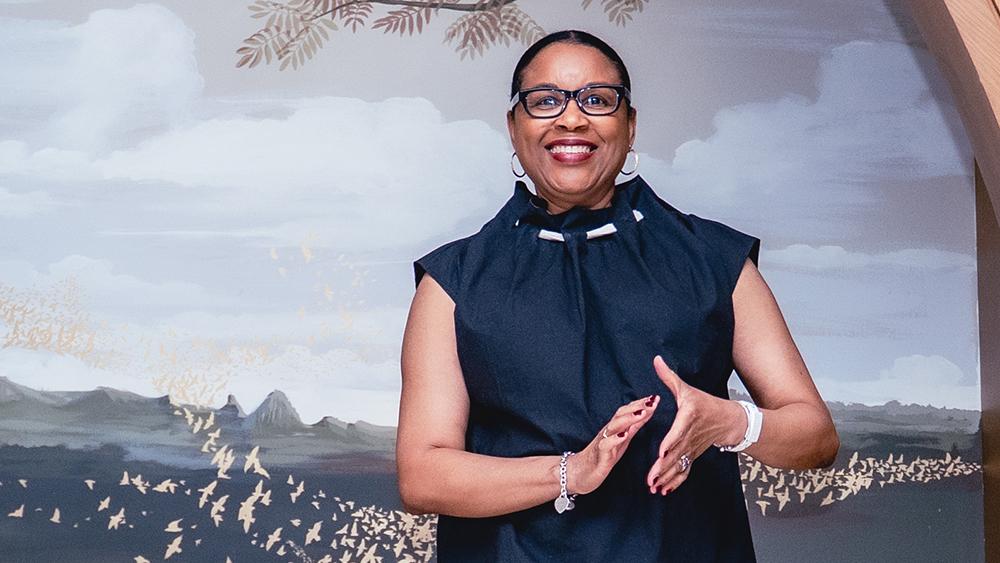
Velma Morgan is a member of the Elementary Teachers of Toronto.